Jianfeng Ceiling Fan Controller

OEM / ODM DEVELOPMENT

Custom Ceiling Fan
Controllers

Jianfeng develops custom ceiling fan controllers and remote kits for fan brands and manufacturers, from project review to sample validation and production preparation.

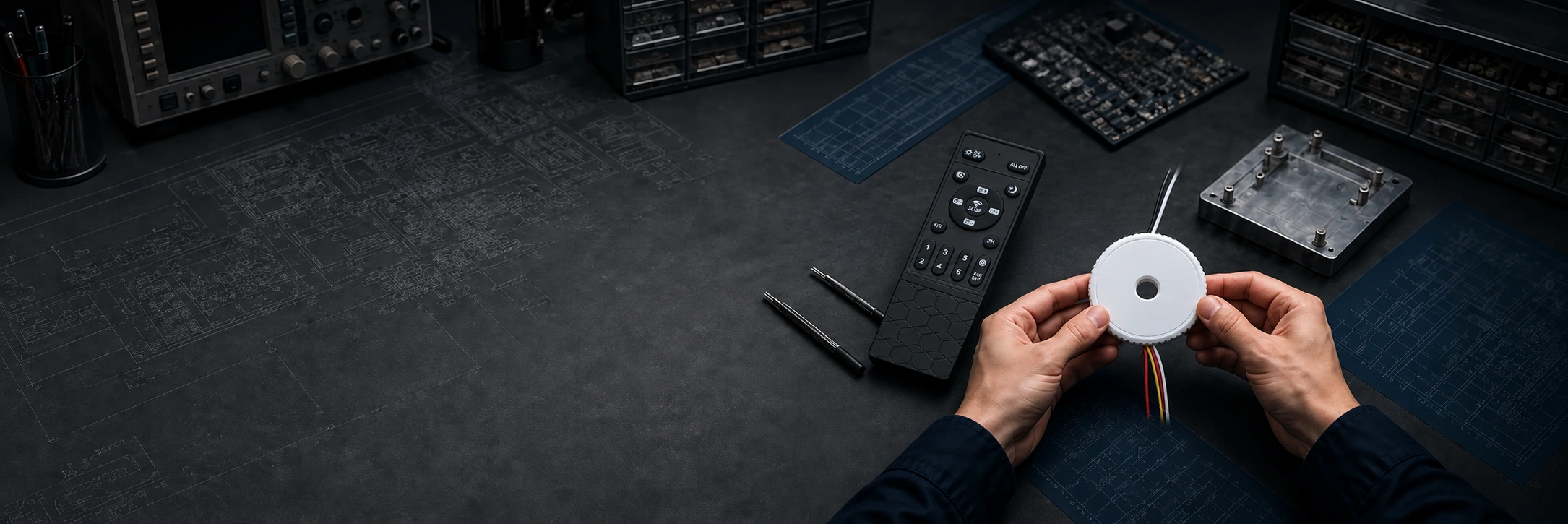
Illustrative technician reviewing a round ceiling fan receiver beside a black DC03-style remote
Project inputs

Start With Your Fan Requirements

For an OEM ceiling fan remote control project, begin with your motor, lighting and installation requirements. Share an existing specification or reference model; missing details can be clarified during review.

Motor & Power

AC or DC motor, supply voltage, motor and light loads, plus wiring or connector details.

Required Functions

Speed steps, reverse, timer, memory and lighting behavior. Dimming depends on the lamp or driver.

Control Experience

Handheld remote or wall panel, pairing method and receiver space. Connected functions need separate confirmation.

Market & Volume

Target market, estimated order quantity, required documents and launch schedule for feasibility and quotation.

From Requirements
to Validated Samples

Ceiling fan controller development starts with a matched motor, receiver and control interface. Agree the specification, build a sample and check it in the complete fan before moving toward pilot production.

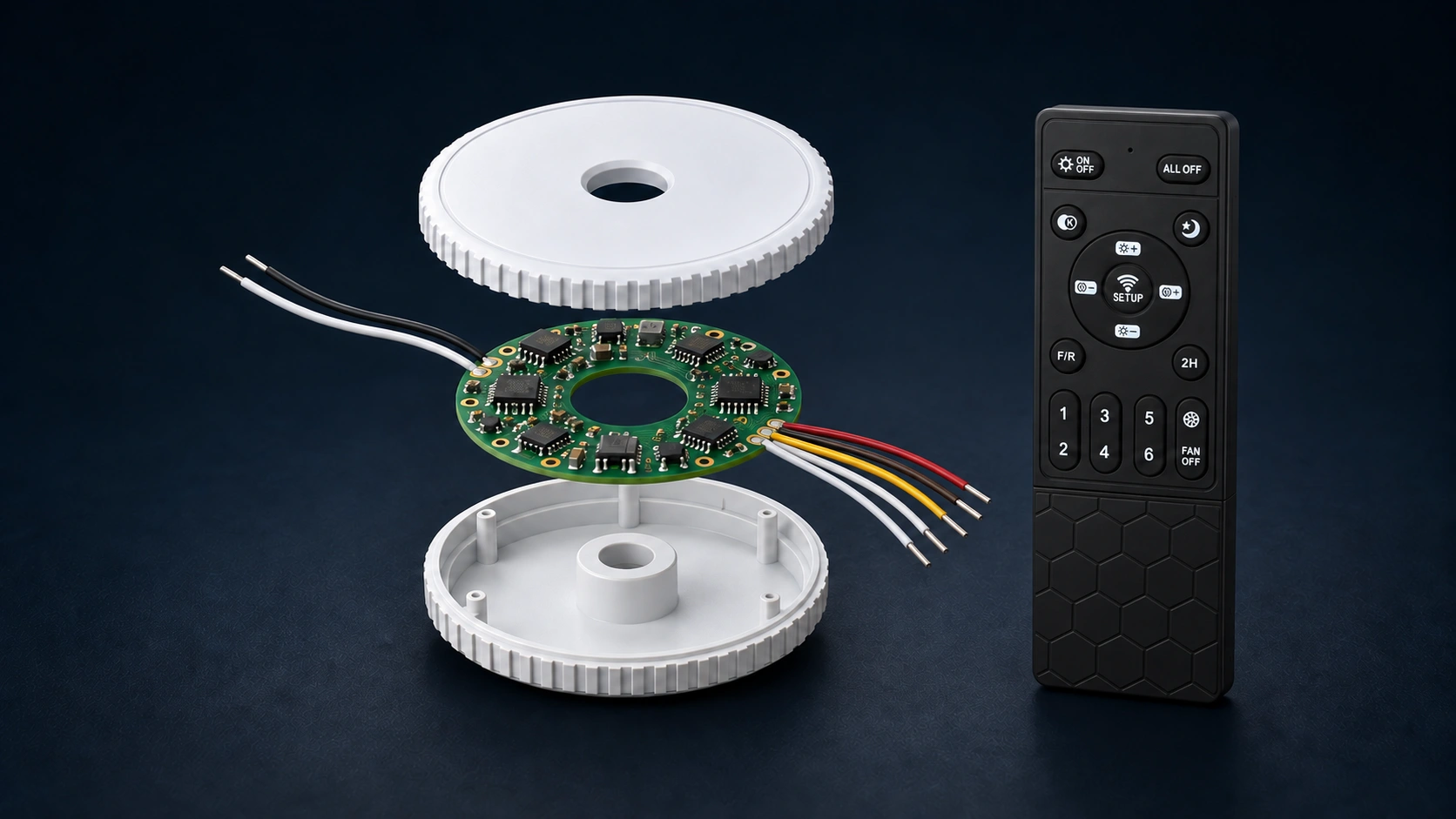
Conceptual exploded round receiver with cover, circuit board and base beside a black DC03-style remote
Review Requirements
Recommend a Solution
Engineer & Prototype
Validate Samples
Pilot Production
Production Readiness

Define Your Customization Scope

Discuss these five areas for your custom ceiling fan remote control or receiver. Feasibility, tooling and validation requirements depend on the selected platform and are agreed before development.

Control Logic

Review firmware behavior, speed steps, timers, lighting functions and interfaces against the motor and load specification. A new function may require hardware changes and a fresh sample check; it is not automatically available on every platform.

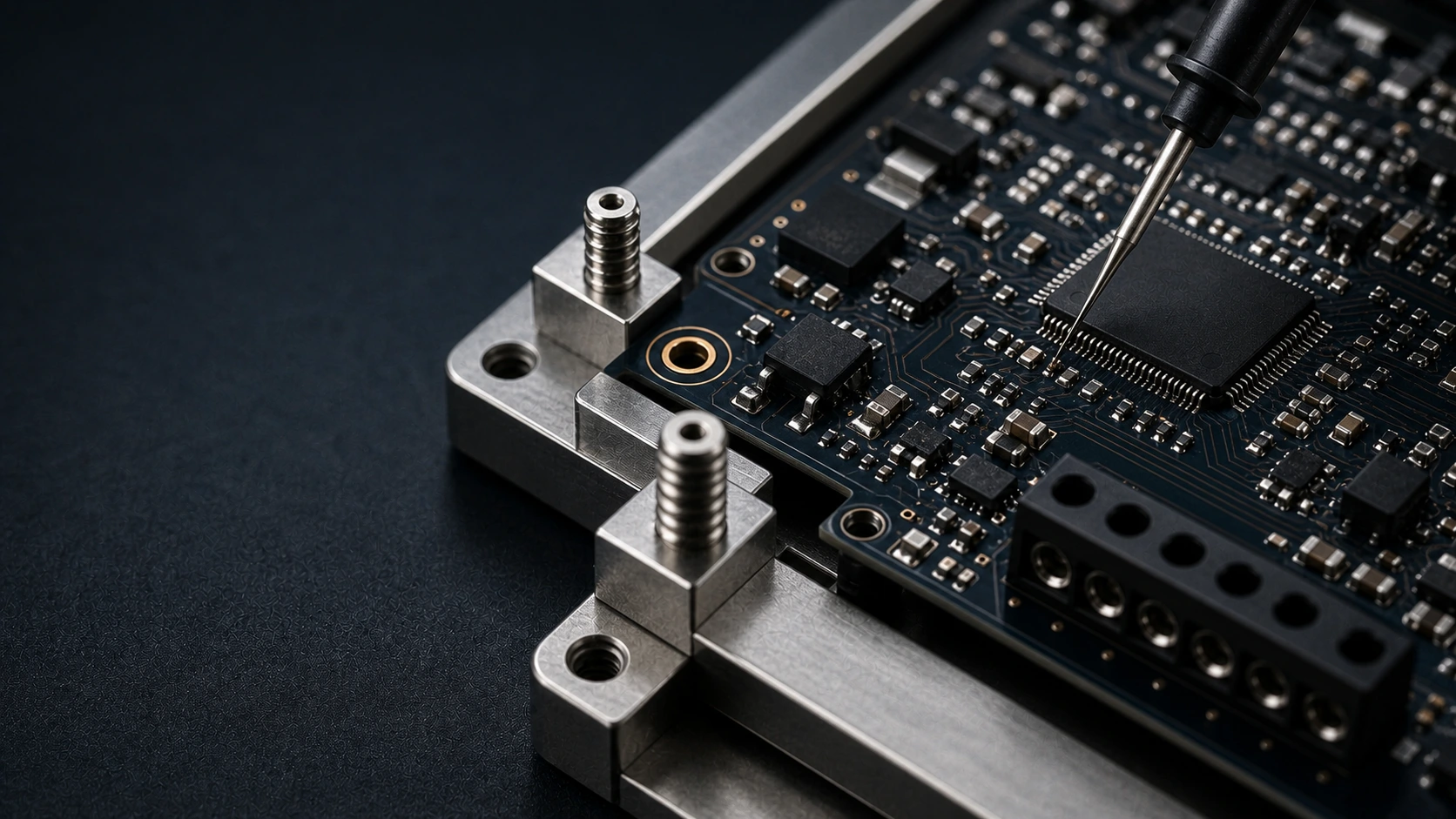
Illustrative controller circuit board secured in a metal fixture for engineering review

Remote Layout

Define button functions, icons and operating sequences for your fan. Confirm the handset and receiver as a matched pair, including the required pairing method and user instructions.

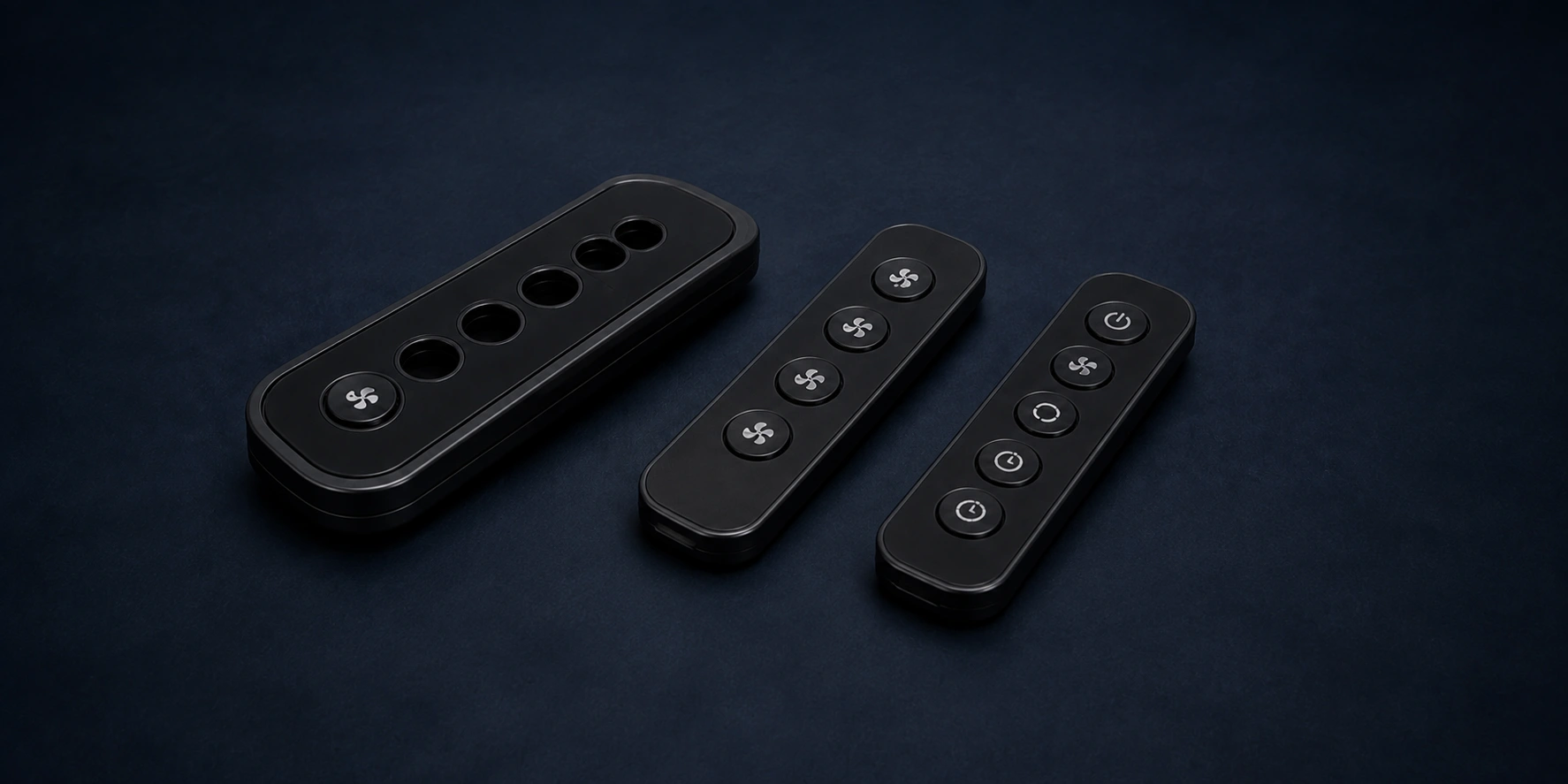
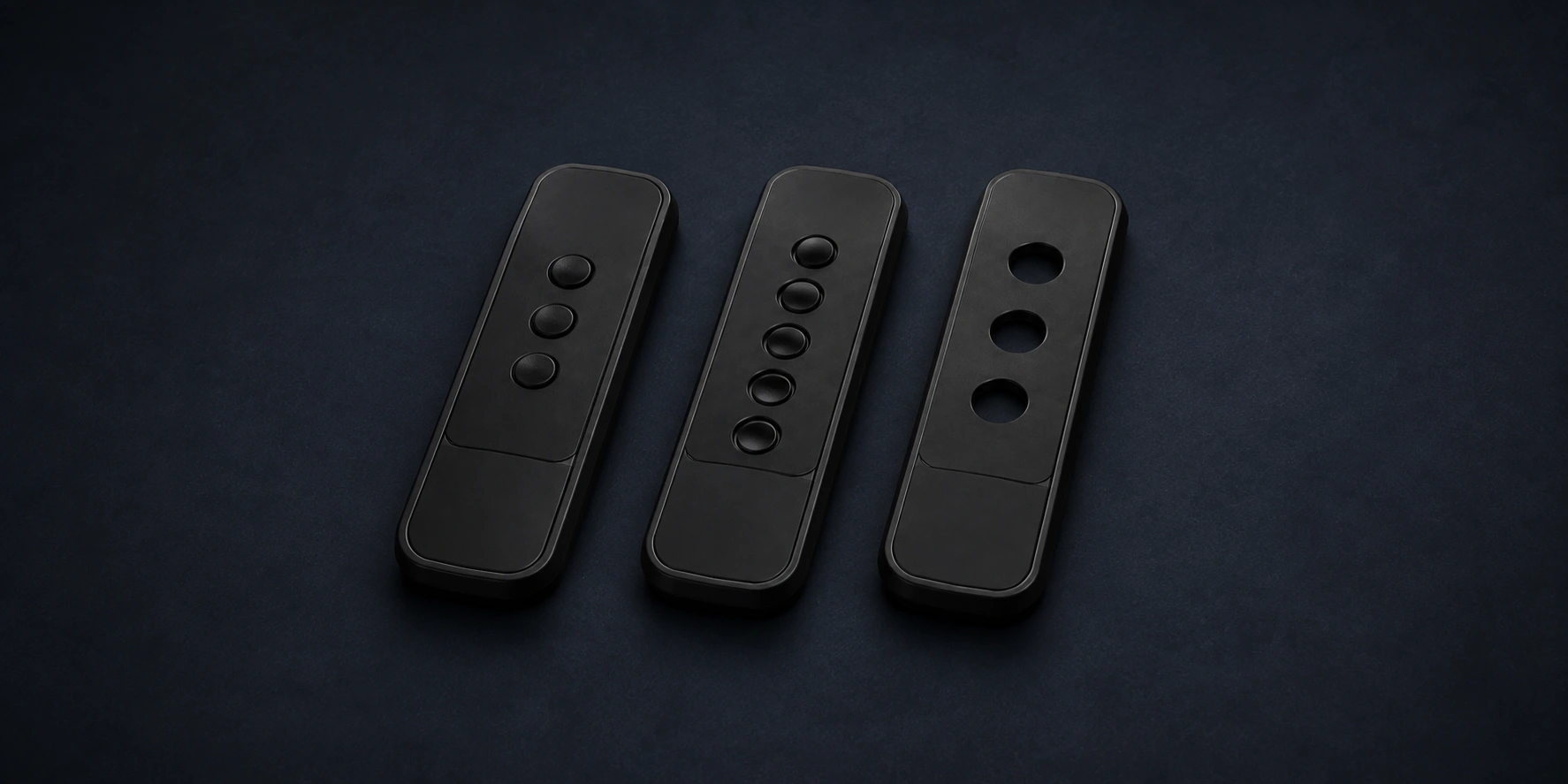
Illustrative ceiling fan remote housings with alternative button layouts

Housing

Review enclosure shape, material and finish alongside receiver clearance, mounting and cable exits. Confirm whether an existing housing can be used or new tooling and dimensional samples are needed.

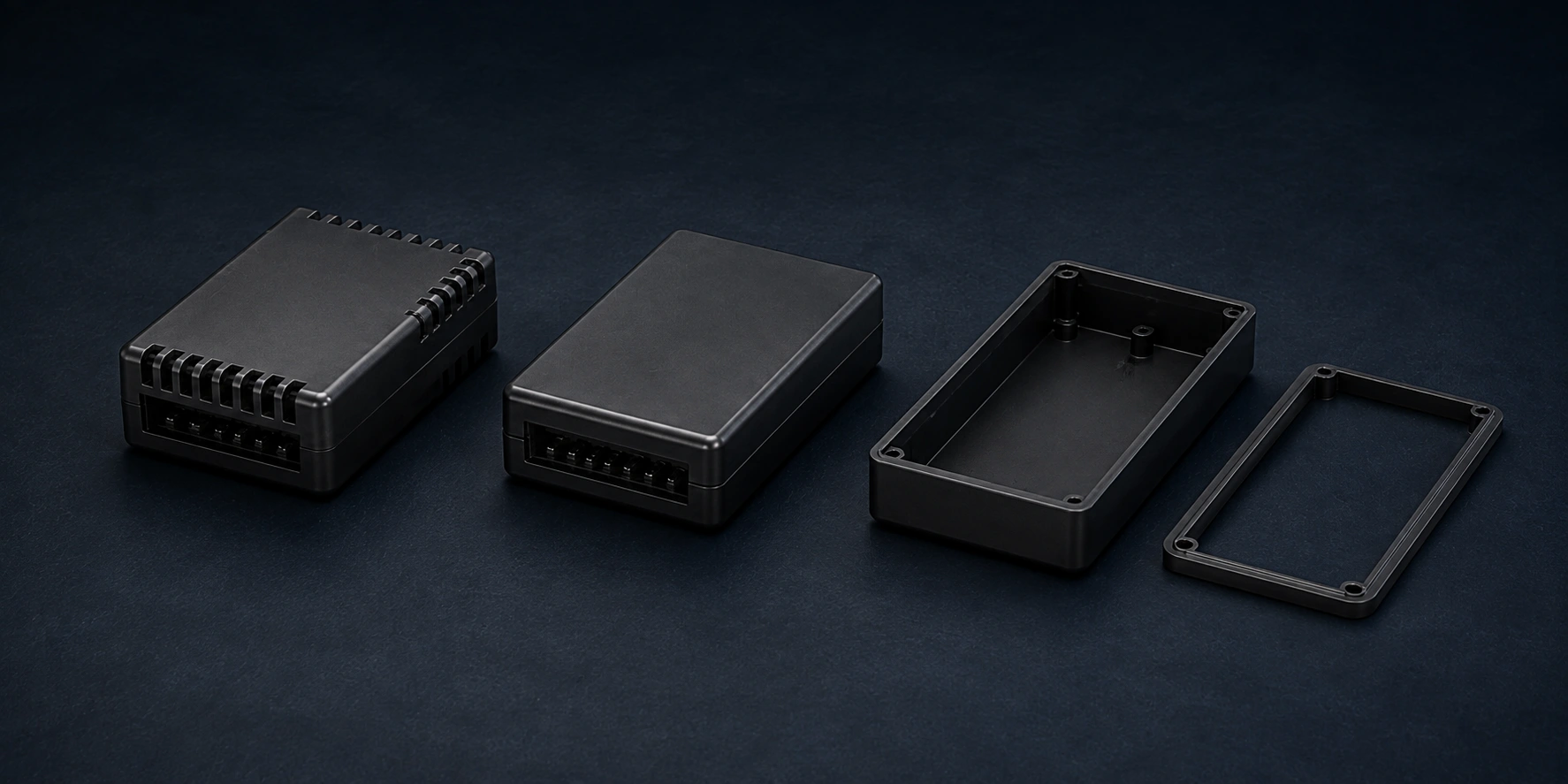
Illustrative ceiling fan receiver enclosures showing covers, ventilation slots and an open housing

Branding

Discuss logos, labels, faceplates and markings for your brand. Supply approved artwork and required product information so placement and legibility can be reviewed on the sample.

Illustrative ceiling fan remote designs with different faceplate finishes and button arrangements

Packaging

Agree the box, protective insert, supplied accessories and instructions around the final kit. Packaging changes are reviewed with order quantity, artwork and the sample arrangement.

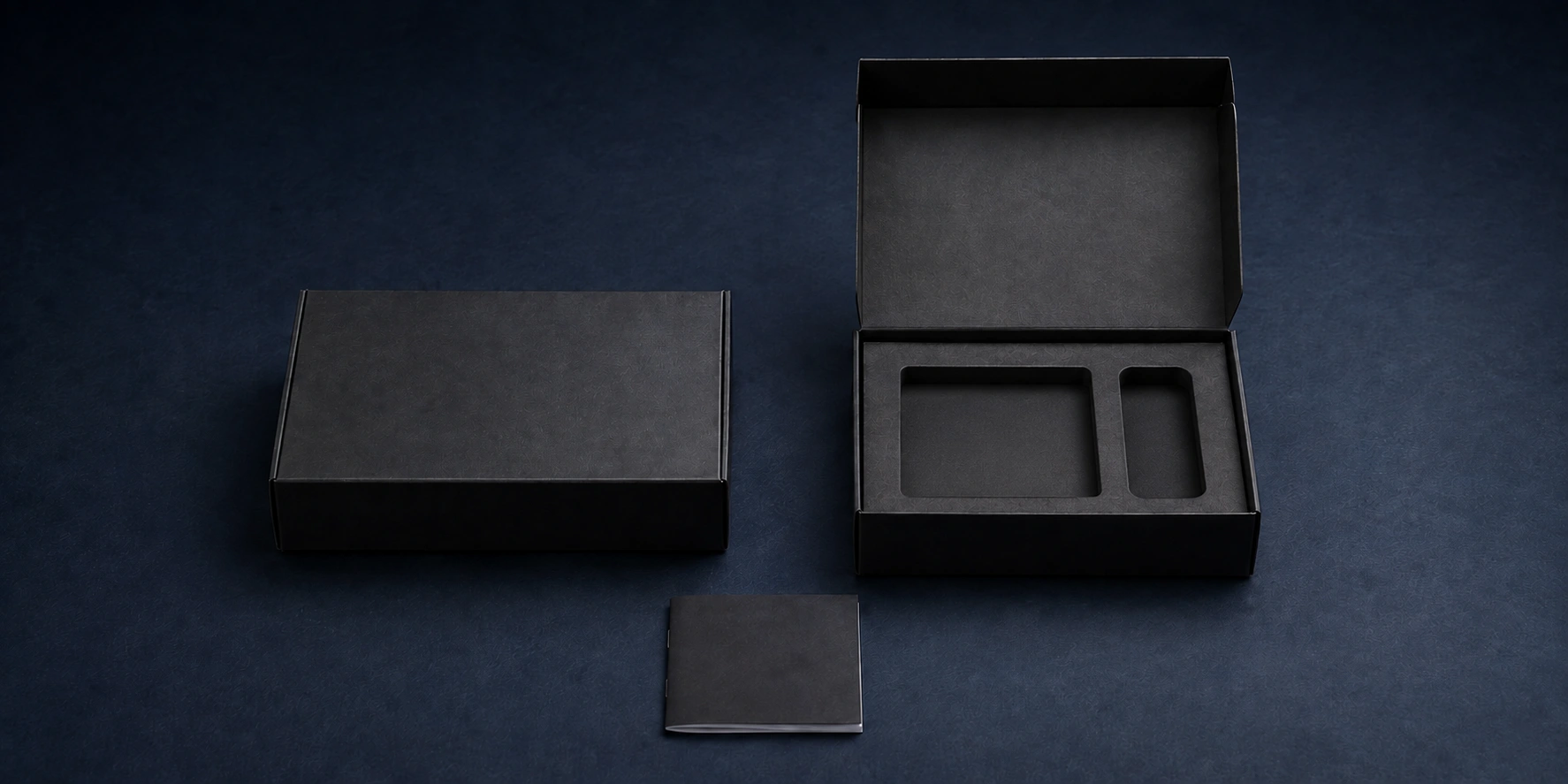
Illustrative ceiling fan controller packaging with a fitted insert, lid and document sleeve

Confirm the Sample
Before Production

Check the agreed functions and fit with your actual motor and light load. Record sample changes before confirming the production specification.

Functional review: motor, light and control behavior

Fit and interface: enclosure, connectors and wiring

Revision notes: agreed changes and sample version

Documentation: specification, labels and instructions

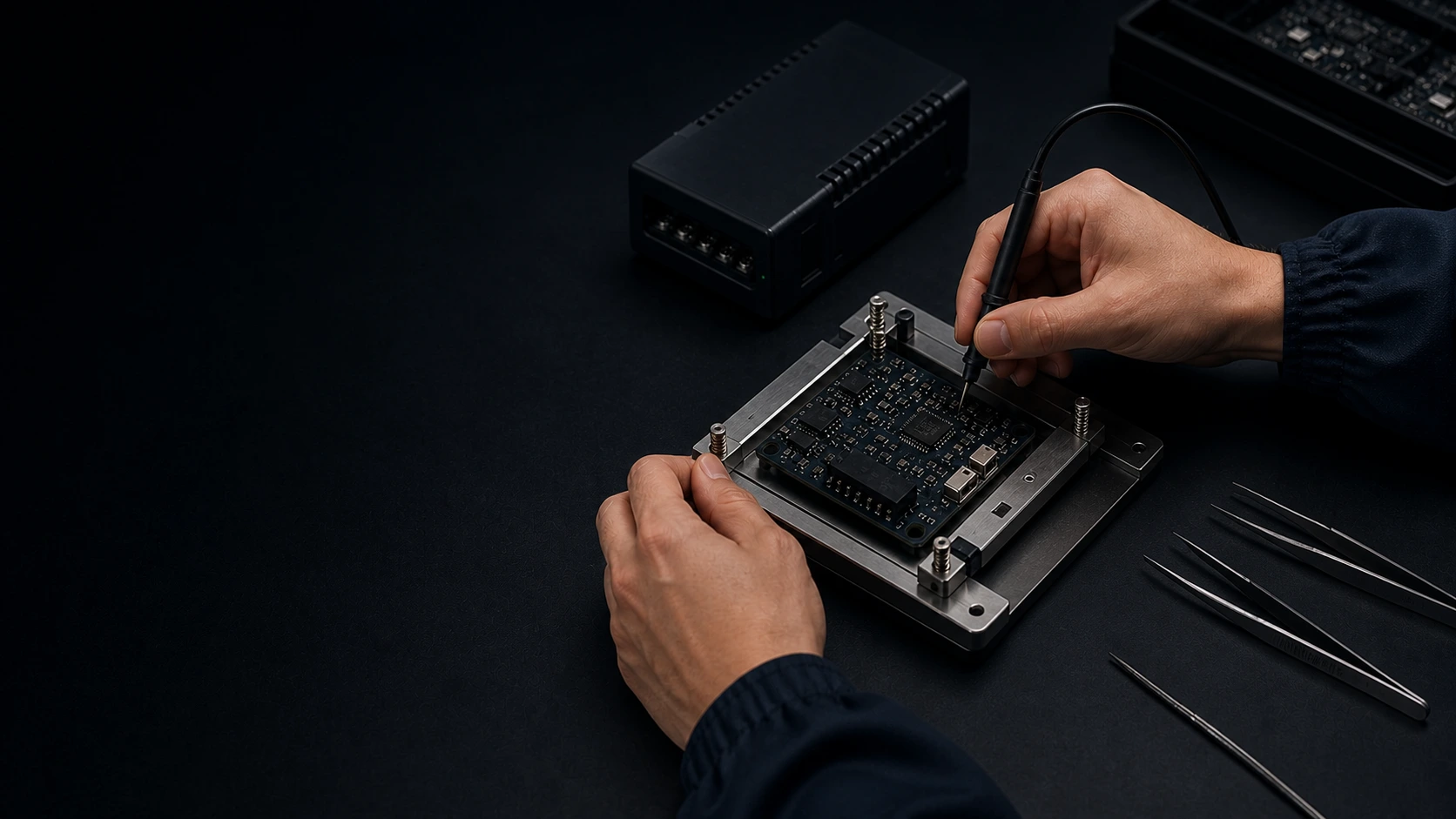
Illustrative technician assembling a ceiling fan controller circuit board in a workbench fixture

OEM / ODM Project Questions

Both routes begin with a requirements review. An existing remote and receiver kit may provide a starting point when its motor, electrical and installation requirements match. An ODM ceiling fan controller project may need changes to electronics, firmware or housing. The scope and sample plan are confirmed after reviewing those differences.

Send the motor type, supply voltage, motor and light loads, wiring or connector details, receiver dimensions, required functions, target market and estimated quantity. A fan sample, drawing or current model reference helps identify constraints. Use the controller selection guide if some inputs are still undecided.

There is no single MOQ or delivery time for every custom project. The selected platform, component availability, artwork, tooling and validation work affect the plan. Confirm sample costs, any tooling charges, minimum order quantity and delivery schedule in the project quotation before committing to production.

Compatibility must be checked for the chosen motor, supply, light load and wiring. Similar enclosures or a shared radio frequency do not establish interchangeability. Confirm dimming, reverse, connected functions and any target-market testing requirements separately, then validate the matched sample in the complete fan assembly.

Discuss Your Custom
Controller Project

Send your motor and light specifications, receiver space, required controls, target market and estimated quantity. Include a model number or reference link if available.

Sample arrangements, tooling, MOQ and lead time are confirmed after the project review.

Name, company, business email and project requirements are required. Project type is optional.

Unknown fields can be reviewed together.

Scroll to Top